Top 10 Benefits of Taekwondo
What does the science actually say? Here are 10 proven benefits backed by peer-reviewed medical research.
What does the science actually say? Here are 10 proven benefits backed by peer-reviewed medical research.
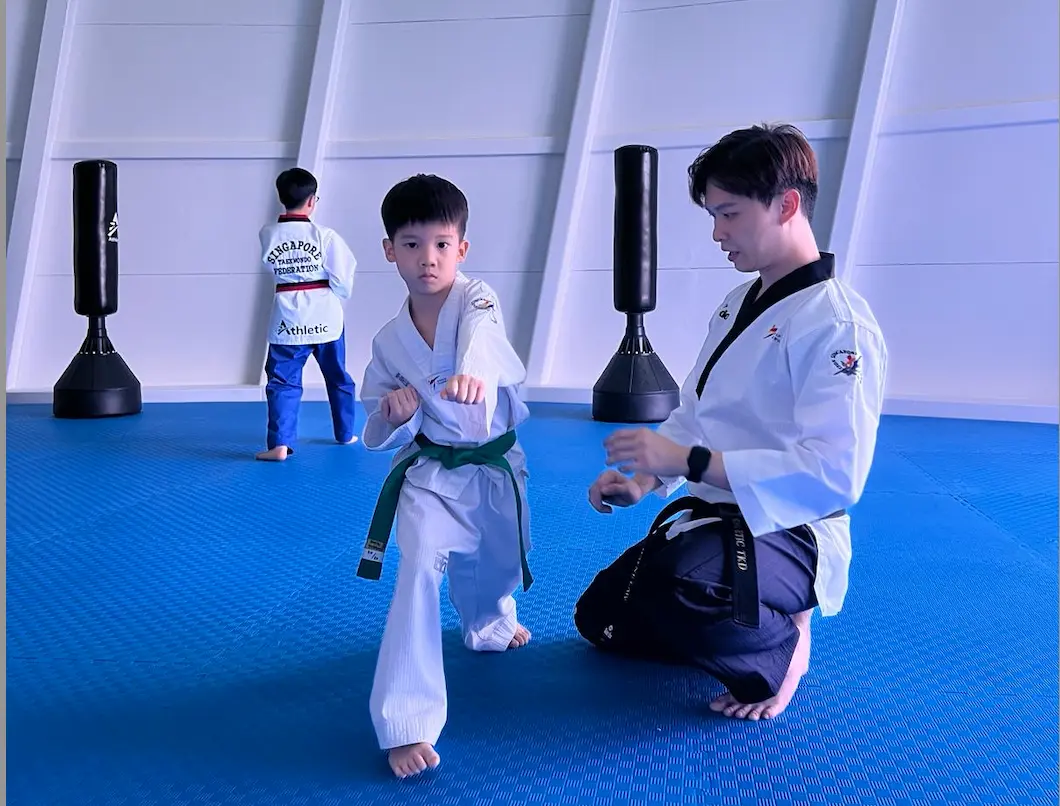
Taekwondo is one of the most widely practised martial arts in the world, with over 80 million practitioners across more than 200 countries. But beyond the kicks and forms, what does taekwondo actually do for your body and mind? As research shows, taekwondo offers a wide range of health benefits for people of all ages.
We looked at the latest peer-reviewed medical studies to find out. Whether you are considering taekwondo for yourself or for your child, here are 10 benefits that researchers have confirmed — explained in plain English.
Taekwondo is a full-body workout. Research found that taekwondo athletes show high levels of muscular strength, flexibility, balance and explosive power — especially in the legs. The same study noted that regular training also supports heart and lung health.
Studies also confirm that taekwondo improves both aerobic fitness (your stamina) and anaerobic power (short bursts of energy like sprinting or jumping). In simple terms, taekwondo makes you stronger, more flexible and fitter overall.
Staying active may protect your eyes as well. A meta-analysis of six long-term studies found that higher levels of physical activity were associated with a 10% lower risk of age-related cataract. Lower risk is not no risk, though — cataract remains the leading cause of blindness worldwide, and once it begins to affect vision, cataract surgery is the only proven treatment.
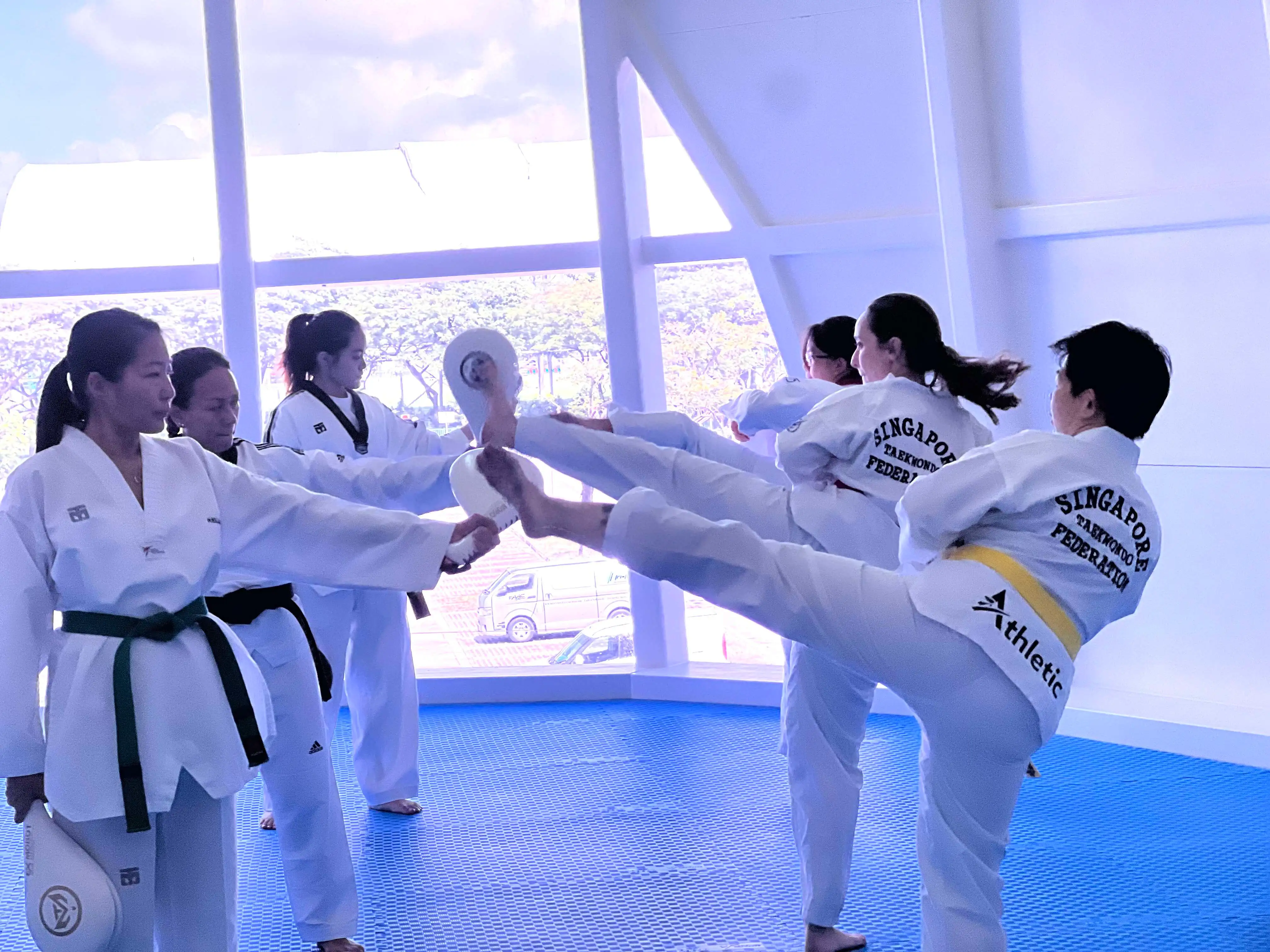
If you are looking to lose weight or get in better shape, taekwondo can help. Research on overweight and obese teenagers found that regular taekwondo training led to significant drops in body weight, BMI and body fat percentage.
A study on postmenopausal women showed similar results — 16 weeks of taekwondo training reduced body fat and improved overall body composition. Unlike monotonous gym routines, taekwondo keeps you engaged with varied drills, pad work and sparring, making it easier to stick with long-term.
Heart disease is one of the leading causes of death worldwide, and exercise is one of the best ways to prevent it. Research on elderly women with high blood pressure found that regular taekwondo training improved their blood pressure readings, cholesterol levels and reduced the amount of fat around the heart (known as epicardial adipose tissue). Both are markers you can track with a routine blood test.
These are all major risk factors for heart attacks and strokes, which is why a heart screening is worth considering if you have a family history. The researchers concluded that taekwondo can be an effective and enjoyable form of exercise for reducing cardiovascular disease risk, even in older adults.
One of the most common reasons parents enrol their children in taekwondo is to help with focus and behaviour. The science backs this up. Research found that children who did taekwondo showed better attention control and fewer behavioural problems compared to children who did not.
The study was particularly interesting because it was a proper field experiment — children were randomly assigned to either a taekwondo group or a waiting-list group, which means the improvements can be confidently linked to the training itself, not other factors. This makes taekwondo a promising activity for kids who struggle with attention or self-regulation, including those with ADHD.
Taekwondo is more than just a sport — it is a discipline rooted in five core tenets: courtesy, integrity, perseverance, self-control and indomitable spirit. Research shows that this philosophy translates into real-world results.
A meta-analysis (a study that combines results from many other studies) found that taekwondo training has significant positive effects on social skills, character development, etiquette and school adjustment in young people. A separate study confirmed that the journey from white belt to black belt fosters positive youth development, including leadership, discipline and respect for others.
Ready to experience these benefits first-hand?
Book a Free Trial ClassFeeling stressed, anxious or low? Taekwondo can help. Research found that taekwondo training has a "cathartic" effect — meaning it provides a healthy outlet for releasing built-up tension and negative emotions. Participants reported feeling calmer, more positive and mentally refreshed after training sessions.
A study on children from multicultural families in South Korea found that just 16 weeks of taekwondo improved mood, reduced feelings of tension and depression, and increased energy levels. The mental health benefits appear to come from the combination of physical exertion, structured routine and the supportive dojang (training hall) environment.
Life throws challenges at everyone, and psychological resilience — your ability to bounce back from setbacks — is a key predictor of long-term happiness. Research found that women who participated in taekwondo showed significantly higher psychological resilience and subjective well-being (essentially, how satisfied they felt with their lives).
A study on postmenopausal women also showed that 16 weeks of taekwondo improved brain blood flow, increased feel-good brain chemicals (like serotonin and dopamine), and boosted overall quality of life. These benefits suggest that taekwondo is not just good for the body — it genuinely makes people happier.
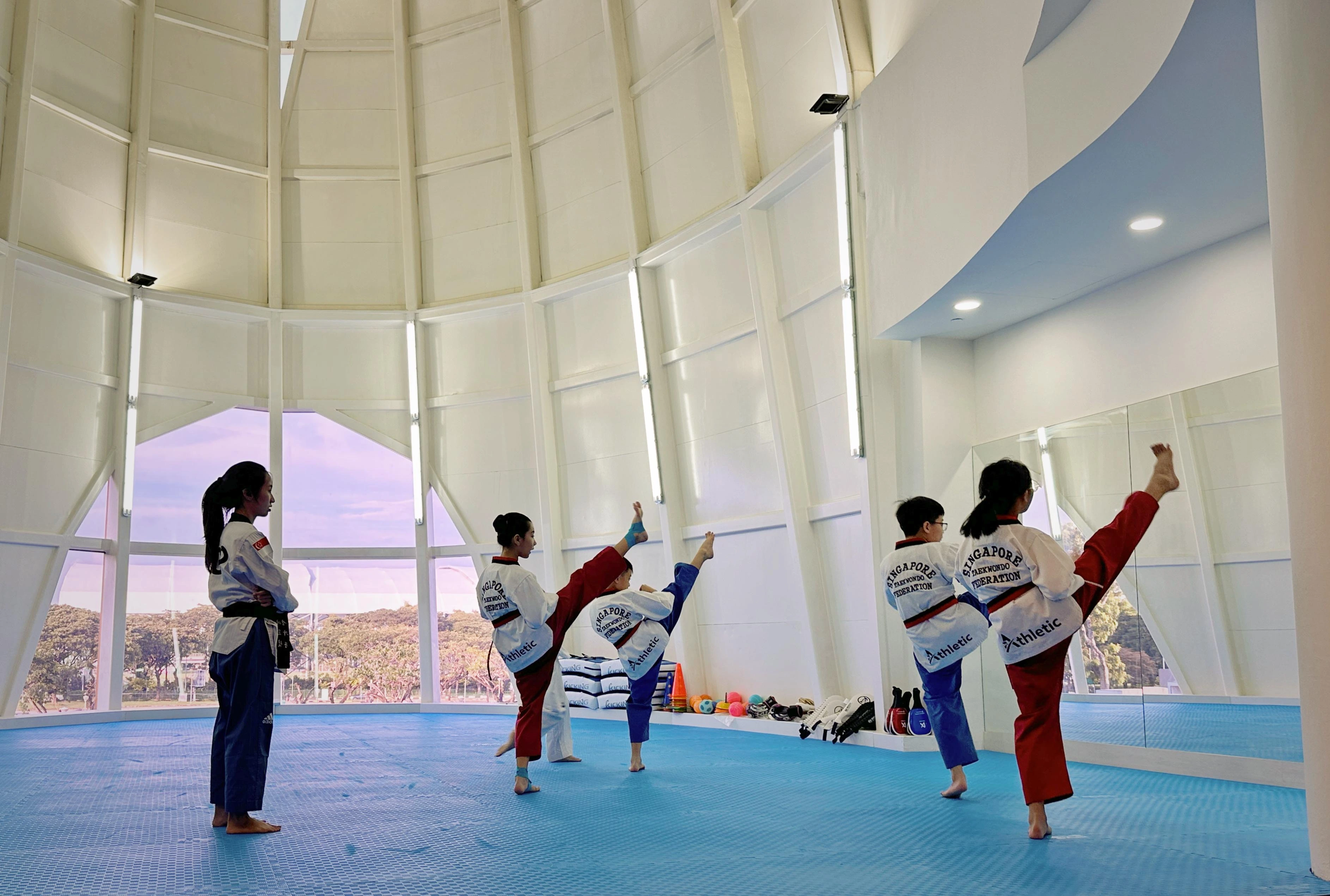
While we all hope never to be in a dangerous situation, knowing how to defend yourself provides genuine peace of mind. Research found that structured taekwondo programmes significantly improved physical self-defence abilities in women.
Taekwondo's emphasis on powerful kicks, fast footwork and spatial awareness makes it one of the most effective striking-based martial arts for self-defence. Beyond the physical techniques, training also builds the confidence and awareness needed to avoid and de-escalate threatening situations.
Taekwondo is not just physical — it requires you to memorise forms (poomsae), react quickly to opponents, and make split-second decisions during sparring. This constant mental engagement has measurable cognitive benefits.
Research showed that children who trained in taekwondo developed better executive function — the brain skills responsible for planning, focus and problem-solving. In older adults, a study found that even a modified taekwondo programme improved cognitive abilities in nursing home residents. This makes taekwondo a brain-boosting activity for all ages.
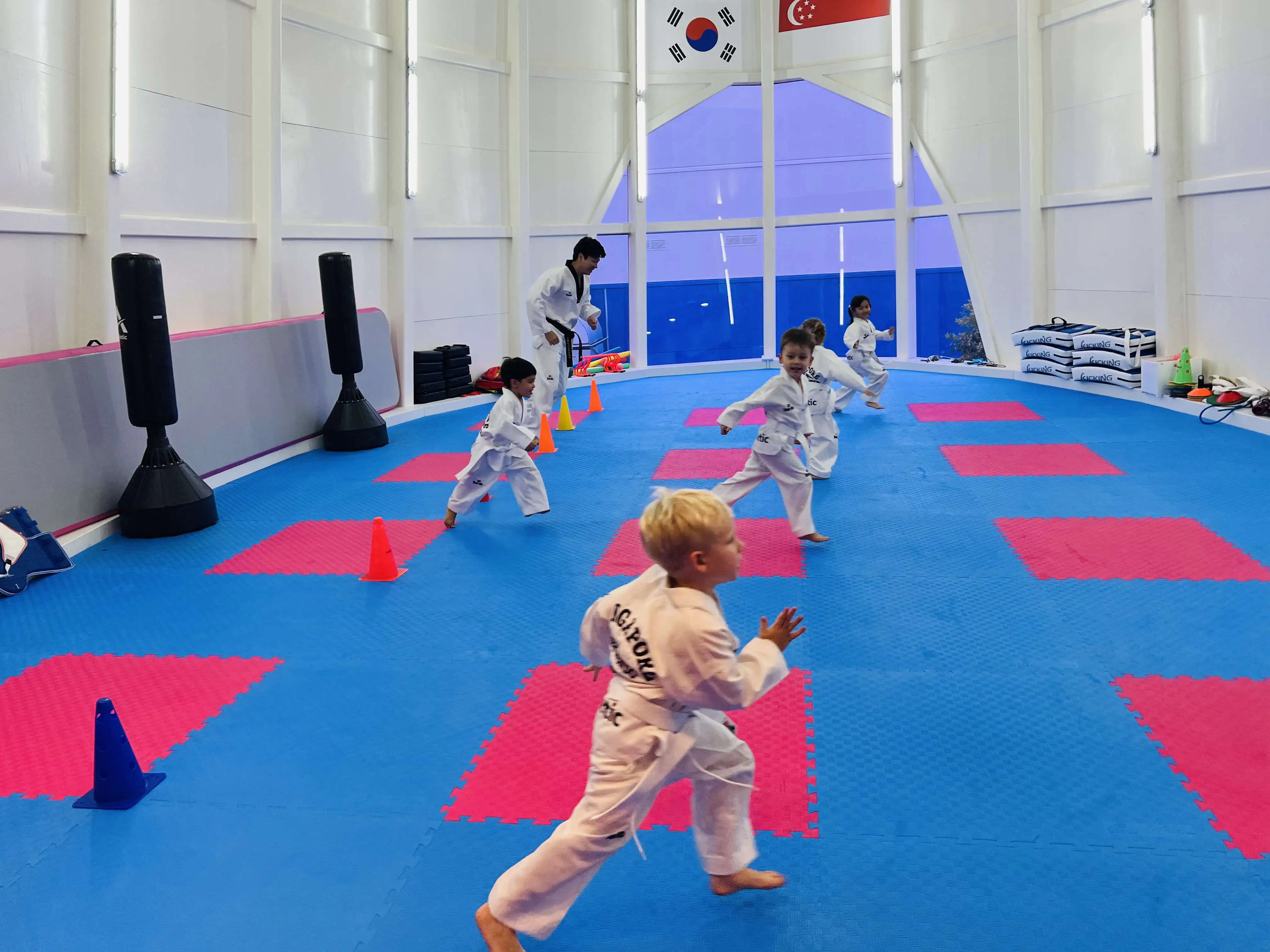
Unlike solo workouts at the gym, taekwondo is inherently social. You train with partners, encourage each other during drills, and celebrate milestones like belt promotions together. Multiple studies confirm that this environment promotes positive social interaction across all age groups.
Research showed that taekwondo improved sociability and positive social engagement in children from multicultural families. A study on elderly nursing home residents found that the group training environment reduced feelings of isolation and created meaningful social connections. Whether you are 5 or 75, the dojang is a place where friendships form naturally.
Taekwondo improves cardiovascular fitness, muscular strength, flexibility, balance and body composition. Research shows it can lower blood pressure, reduce body fat, improve cholesterol levels and decrease the risk of heart disease. It is a full-body workout that benefits people of all ages.
Taekwondo has been shown to reduce stress, anxiety and depression while boosting mood, energy and overall well-being. It also improves focus, self-control and cognitive function. The combination of physical exercise, mental discipline and a supportive training environment creates a powerful effect on mental health.
Research suggests yes. A 2022 randomised controlled trial published in Developmental Psychology found that taekwondo improved attention control and reduced behavioural problems in children. The structured environment, clear rules and physical activity make it particularly well-suited for children who struggle with focus and self-regulation.
Absolutely. Studies show that adults who practise taekwondo benefit from improved fitness, weight management, stress relief, better mood and sharper cognitive function. Research on older adults has even found benefits for heart health, brain blood flow and social well-being. It is never too late to start.
A 2025 study found that women who trained in taekwondo showed improved self-defence skills, greater psychological resilience and higher overall life satisfaction. Additional research on postmenopausal women showed benefits for body composition, brain health and quality of life.
Both have their merits, but taekwondo offers benefits that a typical gym workout does not. Beyond physical fitness, taekwondo builds self-discipline, teaches self-defence, improves mental health and provides a social community. Studies show that the varied and engaging nature of martial arts training also makes people more likely to stick with it long-term.
Most of the studies cited in this article involved training two to three times per week. This frequency was enough to produce significant improvements in fitness, body composition, mood and cognitive function within 12 to 16 weeks.
Research is encouraging. A peer-reviewed study found that an 8-week taekwondo programme significantly improved balance and motor coordination in children with autism spectrum disorder, with a 92% adherence rate. The structured, repetitive nature of taekwondo training and its clear routines can be especially beneficial for children on the spectrum.
Yes. Taekwondo provides a healthy, controlled outlet for pent-up energy and frustration. Research shows that training improves self-regulation and reduces conduct problems in children. The emphasis on respect, self-control and discipline — core tenets of taekwondo — helps children learn to manage their emotions both inside and outside the dojang.
Taekwondo will not change your genetics, but it can support healthy growth. The high kicks, jumps and dynamic stretching involved in training promote good posture, spinal alignment and flexibility — all of which can help you stand taller. For growing children, regular physical activity like taekwondo also supports overall bone and muscle development.
Yes. Taekwondo teaches powerful kicks, fast footwork and spatial awareness that are highly effective in real-world situations. Research found that structured taekwondo training significantly improved physical self-defence abilities. Beyond techniques, it also builds the situational awareness and confidence to avoid or de-escalate confrontations.
Students who practise taekwondo benefit from improved focus, better self-discipline and stronger time management skills. Research shows that training leads to better attention control and positive effects on school adjustment. The discipline and goal-setting involved in progressing through the belt system also translates well to academic life.
When taught properly, taekwondo strengthens the muscles that support your knees, hips and ankles and improves overall joint mobility. As with any sport involving kicking and pivoting, good technique and a proper warm-up protect your knees — and if you have a pre-existing knee issue or recurring ache, it is worth having it assessed by a knee pain doctor before training, so you can build up safely.
Whether you are looking to get fitter, build confidence or find a supportive community, our experienced instructors are here to guide you. Book a free trial class and discover what taekwondo can do for you.